
1 / 20
AED 875,000
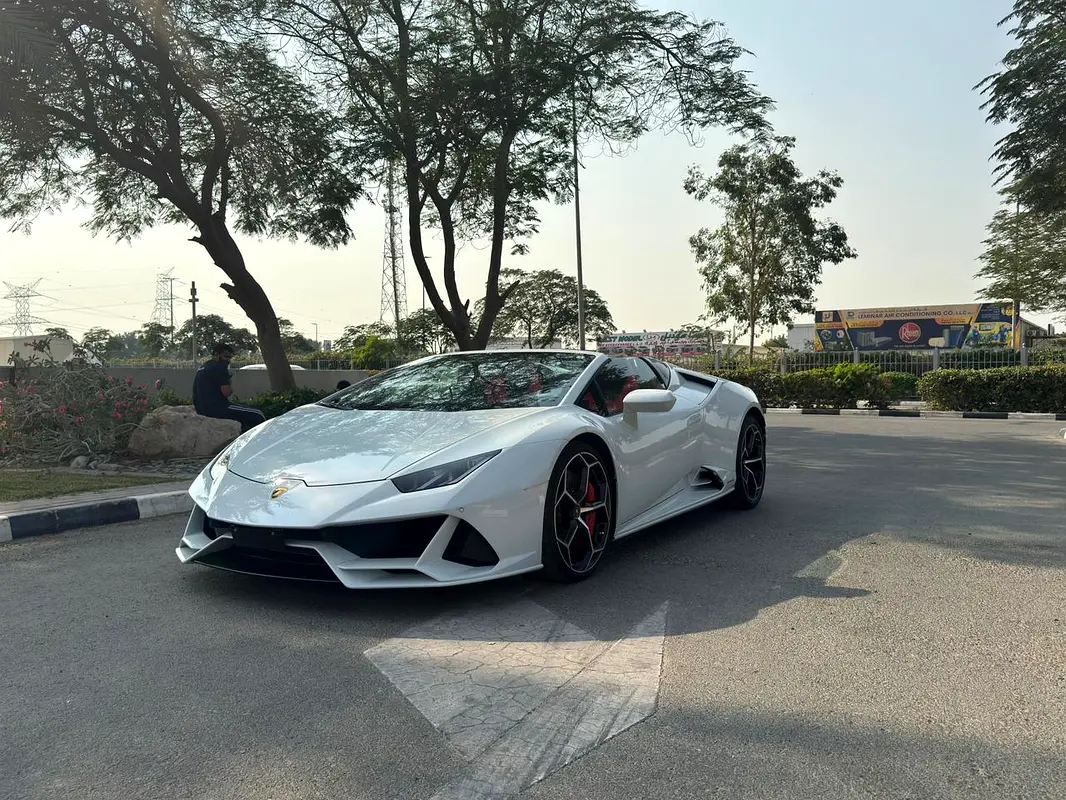
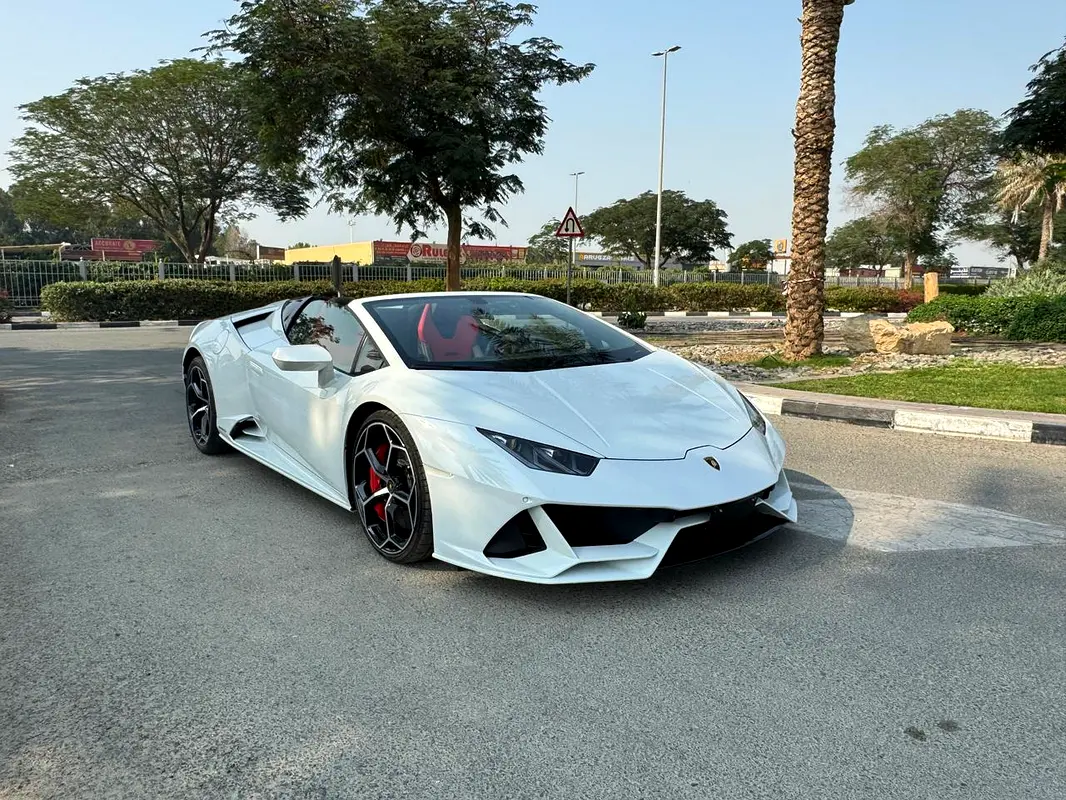
Lamborghini Huracan EVO Spyder

2020

9,499 km

Japanese Specs
Car Overview
Trim
EVO Spyder
Target Market
UAE (can be exported)
Seating Capacity
2 Seater
Interior Color
Red
Doors
2 door
Lamborghini Huracan EVO Spyder 2020 - Japanese Specs
Performance: Power vs. Weight
To make the RWD model manageable, Lamborghini slightly detuned the V10 engine, but they also removed the heavy front-drive hardware.
The Engine: It produces 602 hp (compared to 631 hp in the AWD).
The Weight: It is roughly 33 kg (73 lbs) lighter because there are no front driveshafts or differentials.
The Speed: Because it lacks the "dig" of all-wheel traction, it hits 0–100 km/h in 3.5 seconds (0.4 seconds slower than the AWD).
2. The "Fun" System: P-TCS
The RWD model uses a specially calibrated Performance Traction Control System (P-TCS). Unlike a standard traction control that cuts power when you lose grip, P-TCS is designed to allow "controlled sliding."
Strada (Street): Minimizes rear-wheel slip for safety.
Sport: This is the "Drift Mode." The system allows the rear wheels to slide and skip during acceleration, giving you that classic oversteer feeling without letting the car spin out.
Corsa (Track): Optimized for exit speed and traction, though it still feels more "tail-happy" than the AWD.
3. Visual "Shark" Aesthetics
You can tell an RWD Spyder apart by looking at the "nose" and the "tail":
Front Bumper: The RWD has a unique front splitter with larger, more open air intakes. It lacks the "Y-shaped" winglets found on the AWD.
Rear Diffuser: The rear diffuser is specifically designed for the RWD to increase downforce on the rear axle, helping to keep those rear tires planted since they are doing all the work.
To make the RWD model manageable, Lamborghini slightly detuned the V10 engine, but they also removed the heavy front-drive hardware.
The Engine: It produces 602 hp (compared to 631 hp in the AWD).
The Weight: It is roughly 33 kg (73 lbs) lighter because there are no front driveshafts or differentials.
The Speed: Because it lacks the "dig" of all-wheel traction, it hits 0–100 km/h in 3.5 seconds (0.4 seconds slower than the AWD).
2. The "Fun" System: P-TCS
The RWD model uses a specially calibrated Performance Traction Control System (P-TCS). Unlike a standard traction control that cuts power when you lose grip, P-TCS is designed to allow "controlled sliding."
Strada (Street): Minimizes rear-wheel slip for safety.
Sport: This is the "Drift Mode." The system allows the rear wheels to slide and skip during acceleration, giving you that classic oversteer feeling without letting the car spin out.
Corsa (Track): Optimized for exit speed and traction, though it still feels more "tail-happy" than the AWD.
3. Visual "Shark" Aesthetics
You can tell an RWD Spyder apart by looking at the "nose" and the "tail":
Front Bumper: The RWD has a unique front splitter with larger, more open air intakes. It lacks the "Y-shaped" winglets found on the AWD.
Rear Diffuser: The rear diffuser is specifically designed for the RWD to increase downforce on the rear axle, helping to keep those rear tires planted since they are doing all the work.
Posted on: 23rd April 2026
Features


Anti-Lock Brakes (ABS)
Parking Sensors - Front
Tyre Pressure Monitoring System (TPMS)
Airbags
Parking Sensors - Rear
Entertainment & Technology
5
Touchscreen Display
Navigation System
Steering Wheel Audio Controls
Bluetooth
USB Port(s)
Comfort & Convenience
12
Air Conditioning
Keyless Entry
Leather Seats
Power Mirrors
Power Steering
Exterior
3
Alloy Wheels
Daytime Running Lights (DRL)
Rear Spoiler
Car Price
AED
Down Payment
AED
%
Interest Rate
%
Loan Period
Monthly Payment
AED 13,294
Total Loan Amount
AED 0
Total interest
AED 0
Car Finance Calculator
Location
Ras Al Khor Industrial, Ras Al Khor, Dubai, UAE
Posted by


- Accounting / Finance
- Automobile
- Beauty / Salon
- Cleaner / Housekeeper
- Construction
- Cook / Chef
- Customer Service / Call Centre
- Data Management & Analysis
- Design
- Driver / Delivery
- Education
- Engineering
- Event Management & Operations
- Handyman / Technician
- HR / Admin
- Information Technology
- Legal Services
- Logistics & Distribution
- Manufacturing / Warehouse
- Marine Captain / Crew
- Marketing / Advertising
- Media, Art & Entertainment
- Medical / Healthcare
- Real Estate
- Restaurant Operations
- Sales / Business Development
- Secretarial / Front Office
- Security / Guard
- Sports & Fitness
- Travel & Hospitality
- Others
- Jobs Wanted
- Electronics
- Computers & Networking
- Business & Industrial
- Home Appliances
- Sports Equipment
- Clothing & Accessories
- Cameras & Imaging
- Jewelry & Watches
- Pets
- Musical Instruments
- Gaming
- Baby Items
- Toys
- Tickets & Vouchers
- Collectibles
- Books
- Music
- Free Stuff
- Lost/Found
- DVDs & Movies
- Furniture, Home & Garden
- Mobile Phones & Tablets
العربية