
1 / 2
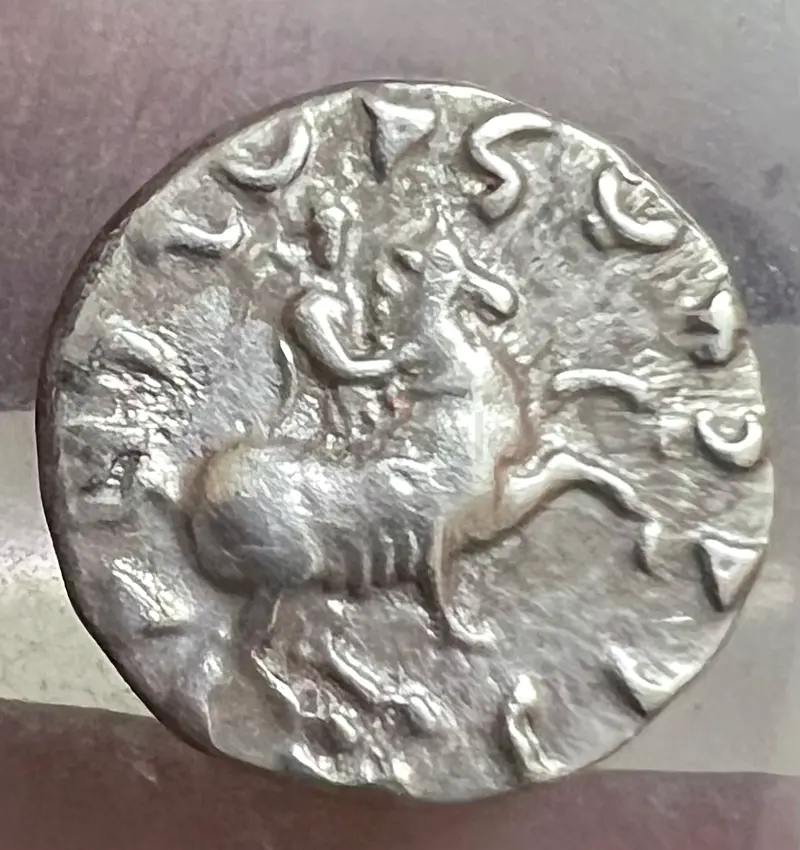
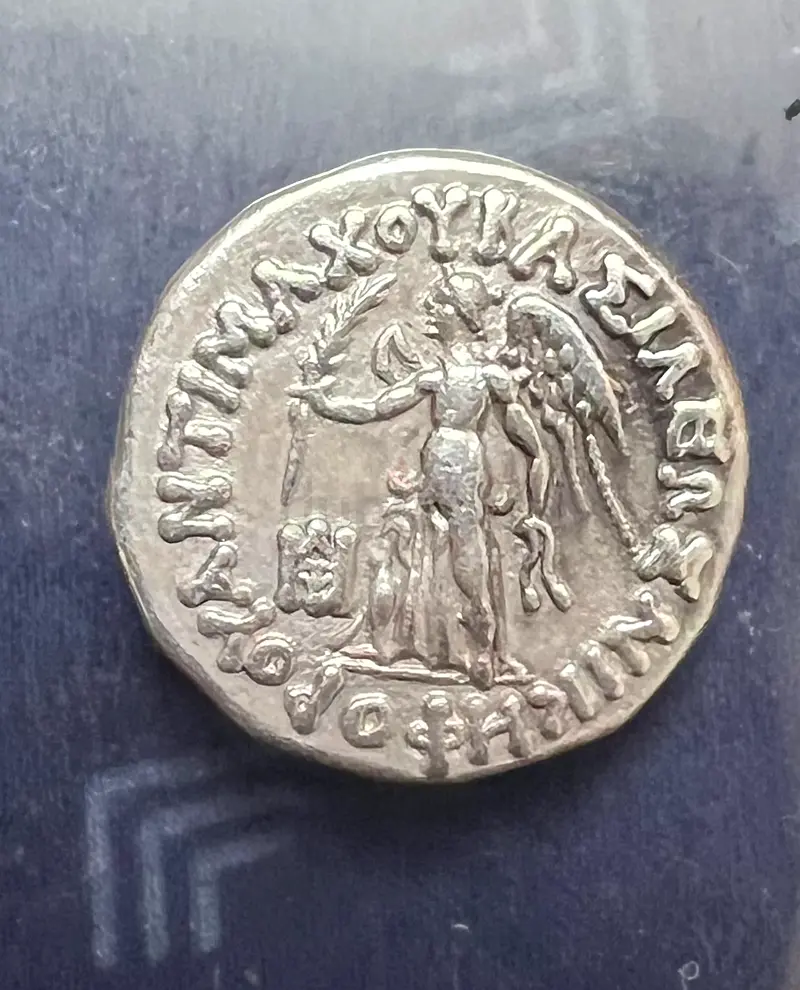
🏛️ ANTIMACHOS II NIKEPHOROS — THE VICTORIOUS KING 🏛️ Silver Coin. (-Best Condition)
درهم 1,950
تفاصيل السلعة
العمر
10 سنوات وأكثر
الحالة
بدون مشاكل أو عيوب ملحوظة
مدى الإستخدام
تم الاستخدام مرات قليلة
تم النشر بتاريخ: 12 أكتوبر 2026
الوصف
🏛️ ANTIMACHOS II NIKEPHOROS — THE VICTORIOUS KING 🏛️
More than 2,100 years ago, the lands stretching from the Hindu Kush toward the Punjab stood at one of the ancient world’s great cultural crossroads. Here, Greek traditions inherited from the conquests of Alexander the Great encountered the languages, peoples and traditions of Central and South Asia.
Around 174–165 BC, the Indo-Greek king Antimachos II Nikephoros ruled within this remarkable Hellenistic world. His title Nikephoros translates as “The Victorious” or “Bringer of Victory.”
The imagery beautifully reinforces that title. Nike, the winged Greek goddess of victory, appears carrying the symbols of triumph, while the other side portrays the king dramatically riding on horseback, his cloak flowing behind him.
Perhaps the most fascinating feature is the meeting of two worlds in its inscriptions. One side proclaims the ruler in Greek:
ΒΑΣΙΛΕΩΣ ΝΙΚΗΦΟΡΟΥ ΑΝΤΙΜΑΧΟΥ
“Of King Antimachos the Victorious.”
The other uses Kharoshthi, giving essentially the same royal message for the local population.
This bilingual approach is a remarkable reminder that the Indo-Greek kingdoms were not simply Greek colonies in the East. They were societies where Hellenistic and South Asian cultures interacted, adapted and ultimately created something distinctive of their own.
More than 2,100 years ago, the lands stretching from the Hindu Kush toward the Punjab stood at one of the ancient world’s great cultural crossroads. Here, Greek traditions inherited from the conquests of Alexander the Great encountered the languages, peoples and traditions of Central and South Asia.
Around 174–165 BC, the Indo-Greek king Antimachos II Nikephoros ruled within this remarkable Hellenistic world. His title Nikephoros translates as “The Victorious” or “Bringer of Victory.”
The imagery beautifully reinforces that title. Nike, the winged Greek goddess of victory, appears carrying the symbols of triumph, while the other side portrays the king dramatically riding on horseback, his cloak flowing behind him.
Perhaps the most fascinating feature is the meeting of two worlds in its inscriptions. One side proclaims the ruler in Greek:
ΒΑΣΙΛΕΩΣ ΝΙΚΗΦΟΡΟΥ ΑΝΤΙΜΑΧΟΥ
“Of King Antimachos the Victorious.”
The other uses Kharoshthi, giving essentially the same royal message for the local population.
This bilingual approach is a remarkable reminder that the Indo-Greek kingdoms were not simply Greek colonies in the East. They were societies where Hellenistic and South Asian cultures interacted, adapted and ultimately created something distinctive of their own.
منطقة
الكرامة, دبي, الإمارات

- المحاسبة / المالية
- السيارات
- الصحة والجمال
- التنظيف /التدبير المنزلي
- الإنشاءات
- شيف / طباخ
- خدمة العملاء / مركز الإتصال
- إدارة وتحليل البيانات
- التصميم
- سائق / توصيل
- تعليم
- هندسة
- إدارة الفعاليات والمناسبات
- عامل / فنّي
- الموارد البشرية - الإدارة
- تكنولوجيا المعلومات
- خدمات قانونية
- خدمات لوجستية و توزيع
- التصنيع / التخزين
- كابتن بحري / بحار
- التسويق/الإعلان
- الاعلام,الفنون والترفيه
- الطب / الرعاية الصحية
- عقارات
- تشغيل المطاعم
- المبيعات / تطوير الأعمال
- السكرتارية / المكتب الأمامي
- الأمن /الحماية
- رياضة و لياقة
- السفروالضيافة
- أخرى
- يبحث عن عمل
English