
1 / 1
Book
درهم 30
تفاصيل السلعة
العمر
جديد
الحالة
ممتازة من الداخل والخارج
النوع
غلاف ورقي
مدى الإستخدام
لا يزال في التغليف الأصلي
تم النشر بتاريخ: 29 يونيو 2026
الوصف
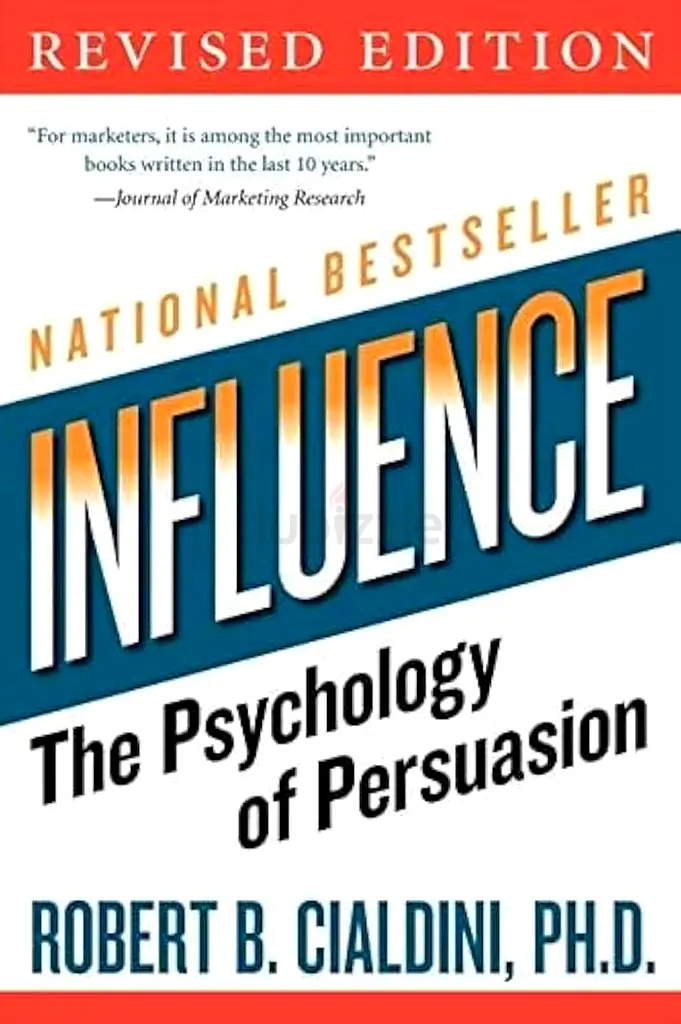
Influence: The Psychology of Persuasion by Robert Cialdini explains how people are convinced to say "yes" using six universal principles: Reciprocity (give to get), Commitment & Consistency (sticking to past choices), Social Proof (following the crowd), Liking (favoring familiar/attractive people), Authority (obeying experts), and Scarcity (wanting what's rare). These work by tapping into our mental shortcuts (heuristics) for faster decisions, but can be exploited, so understanding them helps both persuade ethically and defend against manipulation in sales, marketing, and daily life.
The Six Principles of Persuasion
Reciprocity: We feel obliged to return favors, gifts, or concessions. Giving something first (a free sample, a mint) makes people more likely to comply.
Commitment & Consistency: People want to be consistent with their past commitments, especially public or effortful ones. Getting a small "yes" first (foot-in-the-door) leads to bigger agreements later.
Social Proof (Consensus): We look to others to determine what's correct, especially in uncertain situations. "Wisdom of the crowd" (long lines, best-sellers) drives our choices.
Liking: We're more persuaded by people we like, due to factors like physical attractiveness, similarity, compliments, and familiarity.
Authority: We tend to obey credible experts or figures of authority (uniforms, titles, symbols of status).
Scarcity: Opportunities seem more valuable when they are less available (limited time offers, exclusive items), creating urgency.
Core Idea
Persuaders use these principles to trigger automatic, fixed-action patterns (mental shortcuts) in our brains, bypassing careful, deliberate thought. By understanding these triggers, you can become a more ethical persuader and a more discerning decision-maker.
منطقة
منطقة الرولة, الشارقة, الإمارات

- المحاسبة / المالية
- السيارات
- الصحة والجمال
- التنظيف /التدبير المنزلي
- الإنشاءات
- شيف / طباخ
- خدمة العملاء / مركز الإتصال
- إدارة وتحليل البيانات
- التصميم
- سائق / توصيل
- تعليم
- هندسة
- إدارة الفعاليات والمناسبات
- عامل / فنّي
- الموارد البشرية - الإدارة
- تكنولوجيا المعلومات
- خدمات قانونية
- خدمات لوجستية و توزيع
- التصنيع / التخزين
- كابتن بحري / بحار
- التسويق/الإعلان
- الاعلام,الفنون والترفيه
- الطب / الرعاية الصحية
- عقارات
- تشغيل المطاعم
- المبيعات / تطوير الأعمال
- السكرتارية / المكتب الأمامي
- الأمن /الحماية
- رياضة و لياقة
- السفروالضيافة
- أخرى
- يبحث عن عمل
English